
Guide
What office cleaning includes in Oakland, room by room
Recurring office cleaning follows the same path your staff and visitors take, from the front door and reception through workstations, meeting rooms, kitchens and restrooms, with floors on a cycle of their own.
Start at the front door
A client visiting a downtown Oakland tower suite forms an opinion before anyone greets them. So does a new hire walking into a converted warehouse office by the waterfront. The entry door, the reception desk and the chairs by the window set the tone for everything behind them.
That is why a recurring visit begins at the entrance. Glass on the entry door is cleared of fingerprints, the reception desk and visitor seating are wiped, side tables are cleaned, and bins at the front are emptied. Entry floors are vacuumed or mopped so the morning’s first footsteps land on a clean surface.
Our office cleaning runs from reception through to the staff facilities on every visit, so the front and back of the office stay at the same standard.
Workstations and meeting rooms
Crews wipe clear desk space, shared phones and keyboards, and empty the bin under each desk. Desks cleared before people leave for the night get the fullest wipe-down, which is worth mentioning to the team.
Meeting rooms are set back in order for the next morning. Tables are wiped, chairs are pushed back into place, cups and wrappers are cleared, and trash is collected so the first meeting of the day starts in a tidy room.
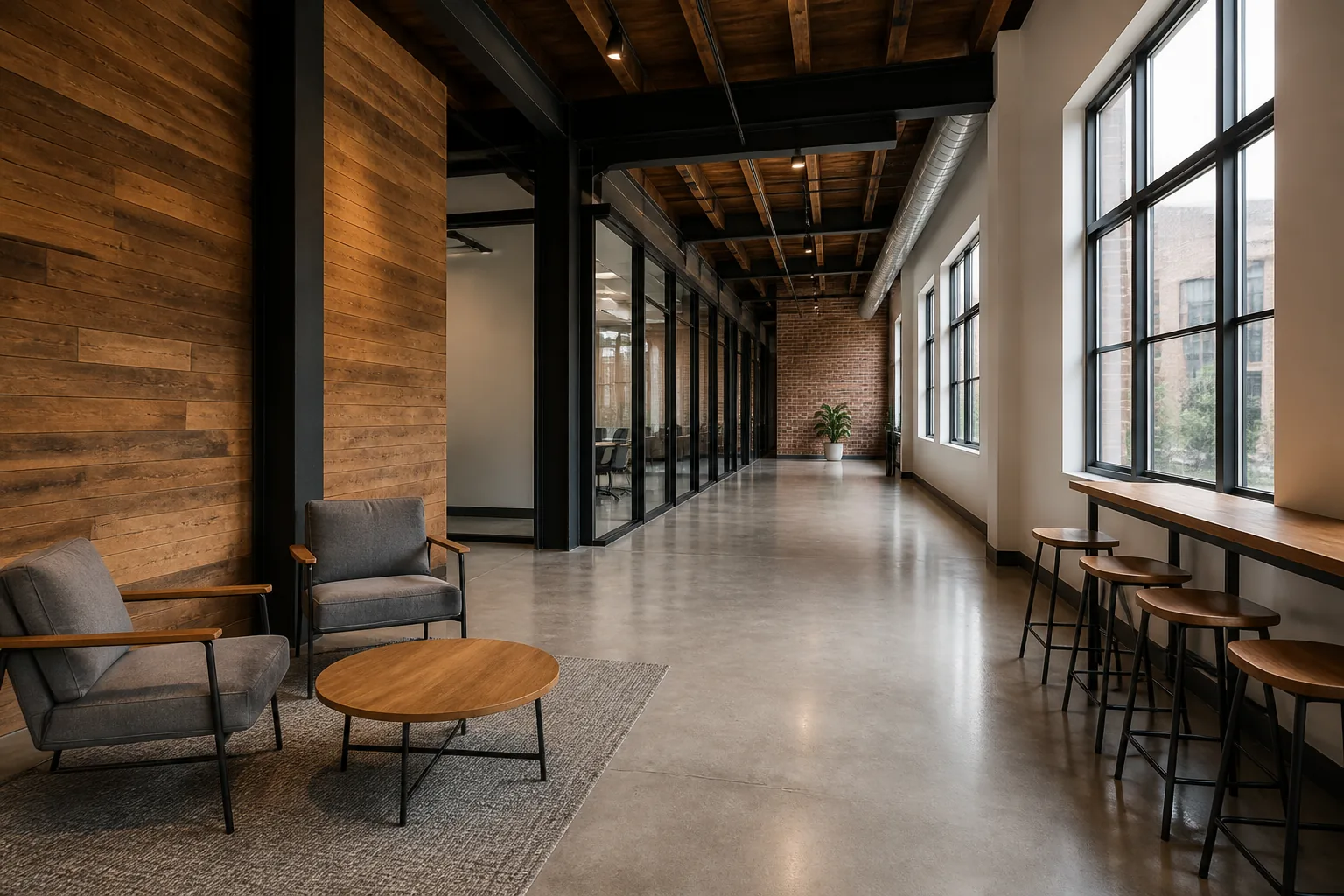
Open-plan offices, common in converted Oakland warehouses, add shared surfaces such as long benching desks and lounge areas. Those get the same treatment as individual workstations, along with the pathways between them.
Kitchens, break rooms and restrooms
The staff kitchen shows wear faster than any room except the restroom. Counters, the sink, appliance fronts and handles are cleaned, tables are wiped, and the kitchen’s trash and recycling are cleared before they become the first thing people notice in the morning.
Restrooms are sanitized on every visit, from fixtures to the surfaces around them, and restocked with paper products, soap and liners. In most offices, these two rooms drive the visit schedule, because they are where a missed night is most obvious.
Recycling is gathered from around the office on the way out, so the visit ends with every collection point emptied.
Floors: nightly care and the longer cycle
Floors get routine vacuuming and mopping on each visit, but carpets and hard surfaces also need deeper work on a longer cycle. Hard floors in lobbies and kitchens are scrubbed, recoated, polished or burnished through commercial floor care as their finish wears.
Carpeted workspaces get carpet extraction, with hot water extraction for overall soil and spot treatment for marks near desks and doorways. Traffic sets the timing: the reception carpet and main walkways need it well before a quiet back office does.
Scheduling periodic floor work after hours or over a weekend keeps furniture moves and drying time out of the workday.
Telling the crew what your office needs
The best results come from a short, clear brief. Let us know about after-hours entry steps, alarm arrangements, rooms that stay locked, and anything that needs special care, such as a server closet or a display wall in reception.
Before quoting, we tour the office with you and match the number of weekly visits to your headcount and hours. Offices with steady daytime traffic can add a day porter for shared rooms and restroom supplies while staff are in, with the full clean following after hours. Offices attached to a plant or warehouse follow the timing in our guide to cleaning support spaces around shift changes.
A few useful answers
Quick answers.
Which rooms are cleaned on every office visit?
Reception, workstations, meeting rooms, kitchens and break rooms, and restrooms, with trash and recycling cleared throughout. Deeper floor work runs on its own cycle.
How often do office carpets need extraction?
Traffic sets the timing. Reception and main walkways come due first, while lightly used rooms can wait longer between extractions.
Will the crew clean around papers left on desks?
Cleaning covers accessible surfaces, so desks cleared at the end of the day get the most complete wipe-down.
What should we tell the crew before the first visit?
Your working hours, after-hours entry steps, rooms that stay locked and the floor types in each area.
Resources
Related guides
Services